Pieces of grey cement in the gutter. A crack you can see from the sidewalk running across the top of the chimney. Or, more worrying, a thin dark gap opening between the chimney and the side of the house. These are two different problems, one about water and one about structure, and in La Mirada they often show up on the same chimney.
This post covers what each symptom usually means, what the repair options are and what waiting does to the price.
The cement top: what fails and why
Every brick chimney has a cast cement slab at the top, around the flue tile, sloped so rain runs off. It is the part that faces sun, wind and rain most directly. Older ones were often mixed from mortar rather than proper concrete, poured too thin and finished flush with the brick, so water runs straight down the face instead of dropping clear.
Signs it has failed:
- Fine cracks across the surface. Water gets in and the cracks widen each season.
- Pieces breaking off at the edges. The slab has started to come apart.
- A gap around the flue tile. Water runs down between tile and brick, into the chimney.
- Damp brick or white staining on the upper courses inside the attic.
Crown repair options
Seal fine cracks. If the slab is sound and the cracks are hairline, a flexible crack sealer made for chimney tops closes them and lets the slab move without reopening. This is the cheapest option and it only works when the slab underneath is solid.
Recast the slab. If it is broken through, crumbling or too thin, we break it off and form a new one in proper concrete, thicker, sloped, and extended past the brick face so water falls clear. A gap is left around the flue tile and filled with a flexible seal so the tile can expand with heat.
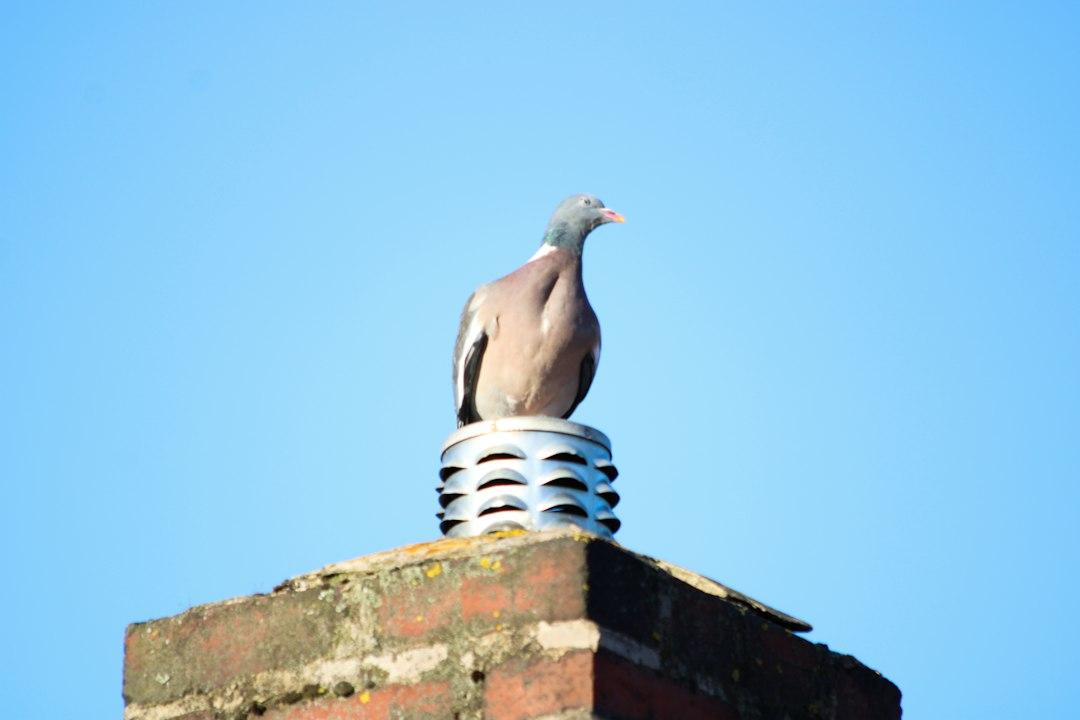
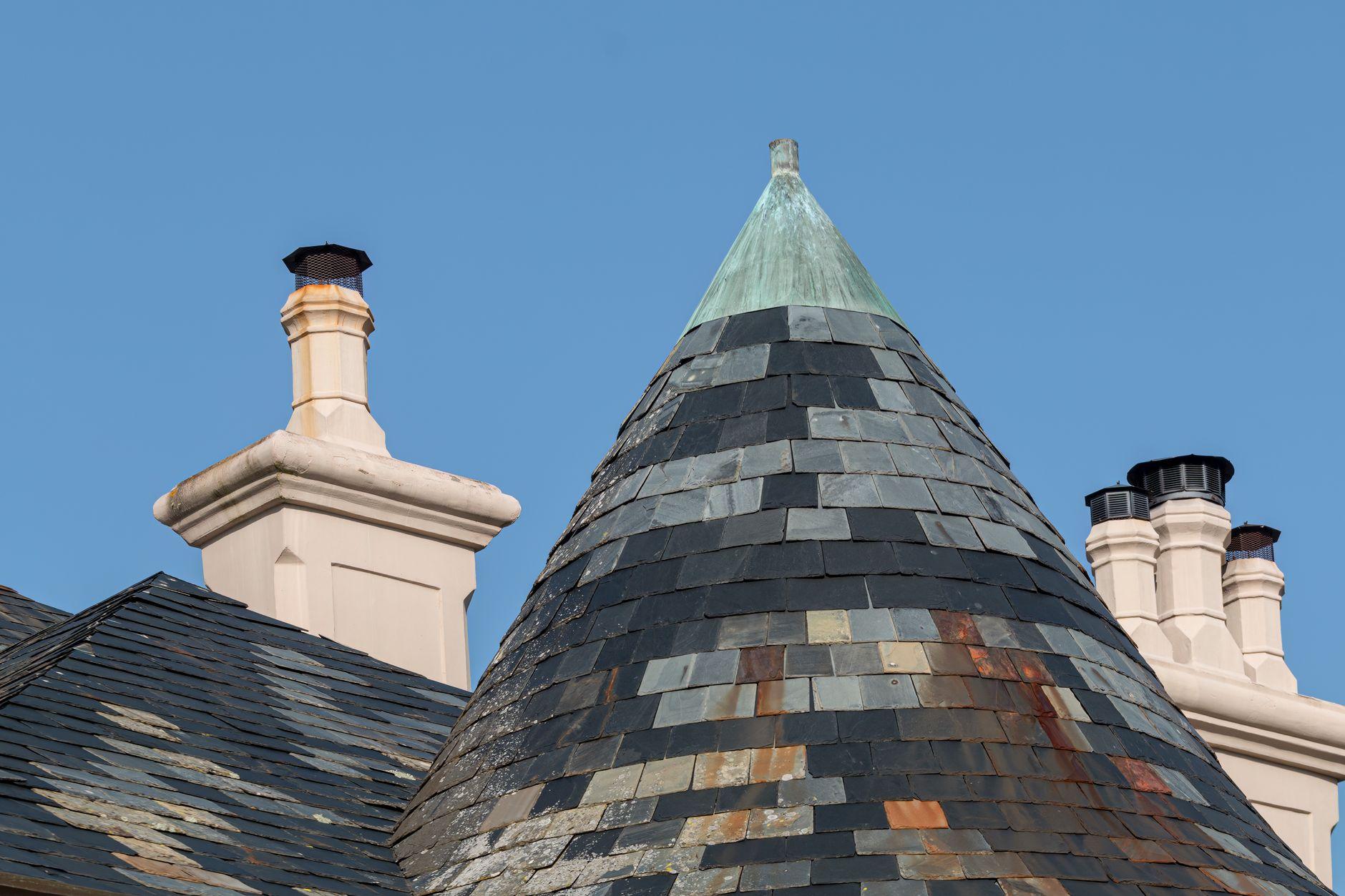
Add a cap over the flue. A metal top keeps rain off the flue opening and the new slab. We size the cap on the roof and quote it then. The flue, the metal and the crown under it decide the cost.
Crown work itself has no set figure on our list; the slab size and its state vary too much. We give you a written figure after we have been up there.
The leaning or separating stack
This is the more serious symptom. A brick chimney is very heavy and is attached to a wood frame house that moves differently in a quake. Older La Mirada homes, and those in Whittier and Fullerton, have been through the 1987 Whittier Narrows quake and the 1994 quake. A chimney that cracked at the roofline in one of those, and was patched on the outside, can be leaning slowly ever since.
What we look for:
- Daylight between the stack and the house wall that opens wider near the roof than down at the ground.
- Cracks that run horizontally across the stack, especially at or just above the roofline.
- Loose or missing bricks near the top.
- Movement when pressure is applied by hand.
Seismic options in general terms
There is no single fix, and the right one depends on how sound the masonry is.
Bracing. Steel members tie the upper part of the chimney back to the roof structure. This holds an otherwise sound stack still in a quake, so it does not fall over the roof or into the yard.
Straps and anchors. Steel bands fixed around the chimney and anchored into the house framing at one or more floors. This ties chimney and house together lower down.
Rebuild to the roofline. When the brick above the roof is too damaged to brace, that section is taken down and rebuilt. The new section can be lighter, reinforced, or a framed chase with a metal flue, depending on what the chimney serves.
Full rebuild. Rare, and only when the lower chimney has also failed.
The masonry decides what is possible, so each chimney gets its own figure on paper once we have seen it. We do not cite code sections or rebate programs; we describe what the chimney needs and what each option costs on paper.
Why the camera comes first
A chimney with outside cracks almost always has inside damage too. Flue tiles shift and split when the stack moves. A Level 2 inspection at $375 shows us the inside before we recommend bracing, recasting or a rebuild. Bracing a chimney with a shattered flue keeps it standing but leaves the fire risk.
Tell us what you have noticed at the top of the chimney and whether there is any gap against the wall, and we will book the inspection. The written report comes back with the repair options and their costs.
What waiting costs
A cracked slab is a small job. Left for a few winters, water works into the brick below, mortar washes out and the top courses loosen. What could have been a recast becomes a rebuild of the upper section.
A separating stack carries a different cost: the risk of falling brick in the next quake. A stack that comes down can damage the roof, a car in the driveway or someone in the yard.
Waterproofing after the repair
Once the top and the brick are sound, a water repellent made to let masonry breathe can slow future damage. It goes on after repair, never instead of it. Applied to open joints or loose brick, it traps moisture inside.
Related pages
See chimney crown repair, seismic retrofit, chimney rebuilds and waterproofing. For how to compare bids, read hiring for chimney repair.
Next step
A crack at the top or a gap at the wall is worth looking at before the next rains or the next quake. Use the contact page to tell us what you see.
Want the Cause Found at Your House?
Langston Chimney Solutions works out of La Mirada. Name the symptom on the contact page; we come out, trace it to the part behind it, and hand you photos with a written price for each fix.