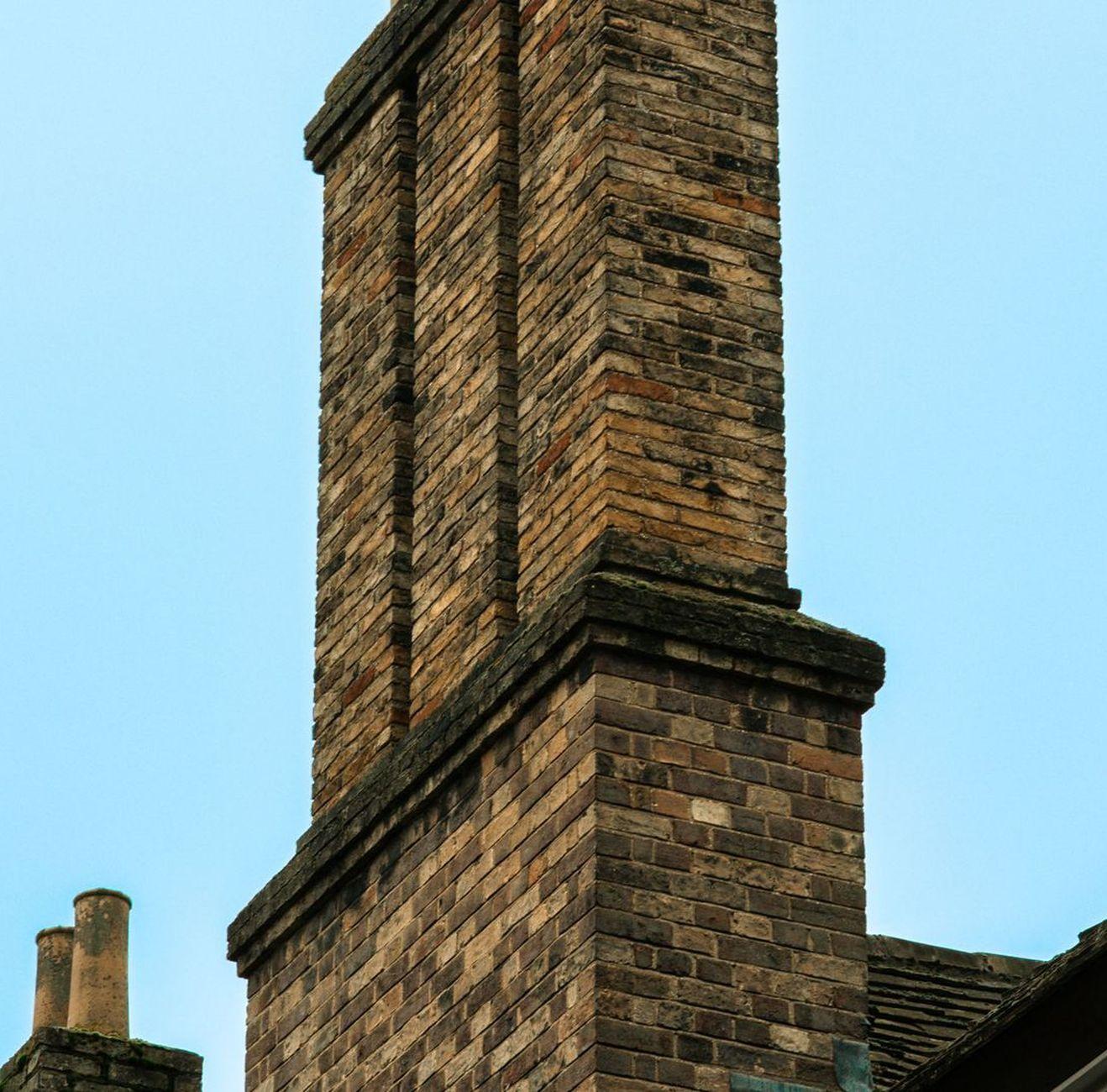

Sand on the roof below the chimney. Mortar you can scrape out with a key. A brick near the top that rocks when the wind blows. By the time an owner starts calling for bids, the chimney has usually been telling them something for a while. The trouble starts with the bids themselves: one company wants to rebuild, another says a coat of sealer will do, and a third quotes over the phone without coming out. This guide is about telling those apart in La Mirada and the towns around it.
Start with what the chimney is doing
Before you compare prices, be clear about the symptom. It narrows the job and makes it easier to spot a bid that does not match.
- Loose sand or grit on the roof or in the gutter: mortar joints wearing away. Usually a repointing job.
- Brick faces flaking or popping off: water getting into the brick and pushing the surface away. Repair plus something to keep the water out.
- Cracks running through several courses: movement. Could be old quake damage, a footing issue or a broken cement top letting water in.
- Stack leaning or a gap opening against the house: structural. This needs a proper look before anyone talks numbers.
- Stains inside the house: water. Often the metal at the roof rather than the brick itself.
A company that hears your symptom and proposes a fix for a different one is guessing.
What to ask every company that bids
Questions do more than the price line. These separate the careful from the quick:
- Will you go on the roof before you price it? A chimney cannot be judged from the driveway. Anyone pricing masonry repair without climbing up is pricing a guess.
- What mortar will you use, and why? Older chimneys need a mix soft enough to give before the brick does. A hard modern mortar in old brick can crack the brick around it. The answer should name the mix and explain the match.
- How deep will you cut out the old joints? Smearing new mortar over old is cosmetic. A proper repoint removes the worn mortar to a sound depth first.
- What happens if you find more once you start? Brick that looks fine sometimes crumbles once the joint around it is opened. Ask how that is handled and priced before you sign.
- Is the inside of the flue part of this? Outside repair on a chimney with cracked flue tiles leaves the more dangerous problem in place.
- Who deals with the roof? Masonry work at the base of a stack disturbs roofing and metal. Find out who puts it back.
What a fair scope contains
A written scope should tell you what will be done, where and with what. At the least:
- Each area of work named: which faces, which courses, the cement top, the metal.
- The mortar type and the depth of cut out.
- What happens to the debris and the roof under the work area.
- Photos of the problem areas, taken on the visit.
- A clear line on anything left out, such as the flue interior or roofing beyond the chimney.
If two bids have different scopes, they are not comparable on price. The cheaper one may just leave out half the chimney.
How we price it
Chimney repair has no single figure on our list because the jobs are so different. A few courses of repointing near the top is a small job. Taking a loose upper section down and relaying it is a larger one. We price each on paper once we have been on the roof and, where it matters, run a camera up the flue.
If you want the inside checked first so the outside repair is not wasted, a Level 2 camera inspection is $375. A quicker visual look at what can be reached, without the camera, is $52. Many owners book the camera before a large masonry job so the repair bid covers the whole chimney, not just the part they can see from the yard.
Describe the symptom and which side of the chimney it is on, and we will book the roof visit. The scope comes back in writing, item by item.
Warning signs in a bid
Some patterns should make you pause:
- A quote given by phone for masonry work nobody has seen.
- A recommendation to rebuild the whole chimney with no photos showing why.
- Sealer or coating offered as the fix for open joints or loose brick. Coatings go on sound masonry. On failing masonry they trap water and hide the problem.
- Pressure to sign on the day, or a discount that expires before you can get another bid.
- No mention of the flue at all on a chimney old enough to have clay tiles.
None of these prove a company is wrong. Each is a reason to ask one more question.
Why waiting usually costs more
Masonry decline is slow and then sudden. Open joints let water in, the water washes more mortar out, and brick near the top starts to move. A repoint that covers a few courses this year can become a partial rebuild a few winters later. On an older house in La Mirada or Whittier, a stack in that state is also more likely to come apart in a strong quake.
Where to read more
The service is described on our chimney repair and masonry repair pages. If the bids talk about rebuilding or bracing, our post on cracked crowns and leaning stacks covers those options. For why the camera often comes first, see Level 2 before a big repair.
Getting started
When you are ready for a scope you can compare, the contact page is the way in. Tell us what you are seeing on the chimney and we will set a visit.
Want the Cause Found at Your House?
Langston Chimney Solutions works out of La Mirada. Name the symptom on the contact page; we come out, trace it to the part behind it, and hand you photos with a written price for each fix.